

Learning to fly a tailwheel airplane has many benefits. First of all, it’s fun! Besides the fun factor, flying a tailwheel forces a plot to use their feet, a lot. Many tricycle gear pilots get lazy with their feet and often have “lead bricks” for feet. Learning to properly fly a tailwheel airplane will fix that problem as you cannot get away with dead feet and keep reusing the airplane after each landing. Plus learning wheel landings forces the pilot to be really good at the portion of the landing when the tires touch the runway. So why not set out to improve your flying skills, regardless of whether you will fly a tailwheel regularly, and go get a tailwheel endorsement.
Everyone who wants a tailwheel endorsement asks “how much time does it take?” My response is the most common answer to aviation questions, “it depends”. The endorsement is to proficiency so it’s all about how quickly one can safely fly (of course it’s mostly about the landings) the tailwheel airplane they are learning in. The answer to how long is, on average, approximately 8 – 12 hours. Potential factors influencing total training time are (not necessarily a complete list): Prior flight experience, how good are your landings in other airplanes, number of models of airplane flown, motivation level, frequency of training flights, instructor ability, etc.
Even though most of the training needed for the endorsement is focused around takeoffs and (especially) landings, the first flight should involve maneuvers to learn the airplane’s handling characteristics at altitude. Example maneuvers are: Dutch rolls, box the sky, slow flight, stalls and steep turns. Dutch rolls are particularly important as they teach coordination and yaw awareness. A tailwheel pilot has to know how to use his/her feet well and be hyper-aware of yaw so any drills/maneuvers that help with this are good.
A pilot needs to be proficient in 3-point, wheel and crosswind landings as well as go-arounds to get the endorsement. Possessing good landing skills before starting tailwheel training is useful, so working on stabilized approaches, centerline control and being precise in the flare to touchdown phase will help one seeking a tailwheel endorsement.
If you are going to be a tailwheel pilot, be sure you know how to inspect and maintain the tailwheel. Here is a great resource: Webinar- Tail Wheels 101: Inspection and Maintenance
Why You Must Fly a Taildragger – Great article on what it takes to fly tailwheel airplanes and how that is beneficial.
Tailwheel: It’s Not Just the Rudder Dummy A good article about controlling the airplane on the ground. A good read for all aspiring or current tailwheel pilots.
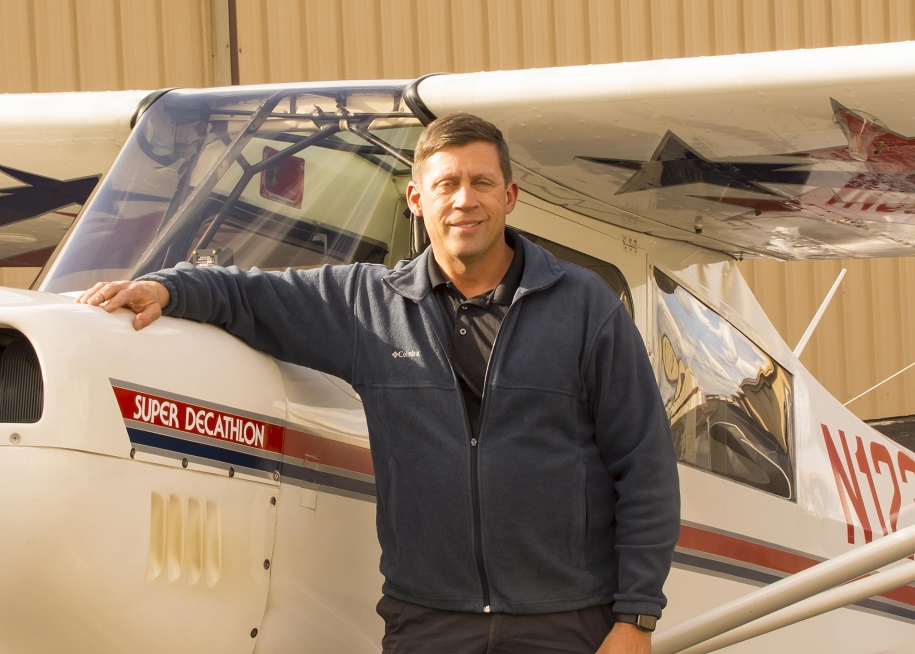
For those who train in the Super D – Super Decathlon (2003 & newer) Pilot’s Operating ManualDownload
Warning! Too many tailwheel instructors fail to cover all of the regulation required maneuvers, and/or train to proficiency. Some do a specific number of flight hours and then sign of the pilot in training. Not good! Covering all listed items and training to proficiency is required by the regulations. Don’t get shortchanged on your training. Know what is required and demand that you get it. Seek professional and skilled instruction. Going for the cheapest training available is risky. Remember the old adage, “you get what you pay for!” Also realize that really expensive training does not mean top level instruction. Do your homework. At SAW we have highly skilled & professional instructors who make sure you get the training you need.
To get started, read the chapter on flying tailwheel airplanes (chapter 14) in the Airplane Flying Handbook. It is a great primer before starting tailwheel training. Additionally, if you want to go more in-depth, read ‘The Compleat Taildragger Pilot‘, by Harvey S. Plourde. This is a great book, with a lot of detailed information on how to fly tailwheel airplanes well. Reading this before training would be time well spent and likely improve your overall training experience.

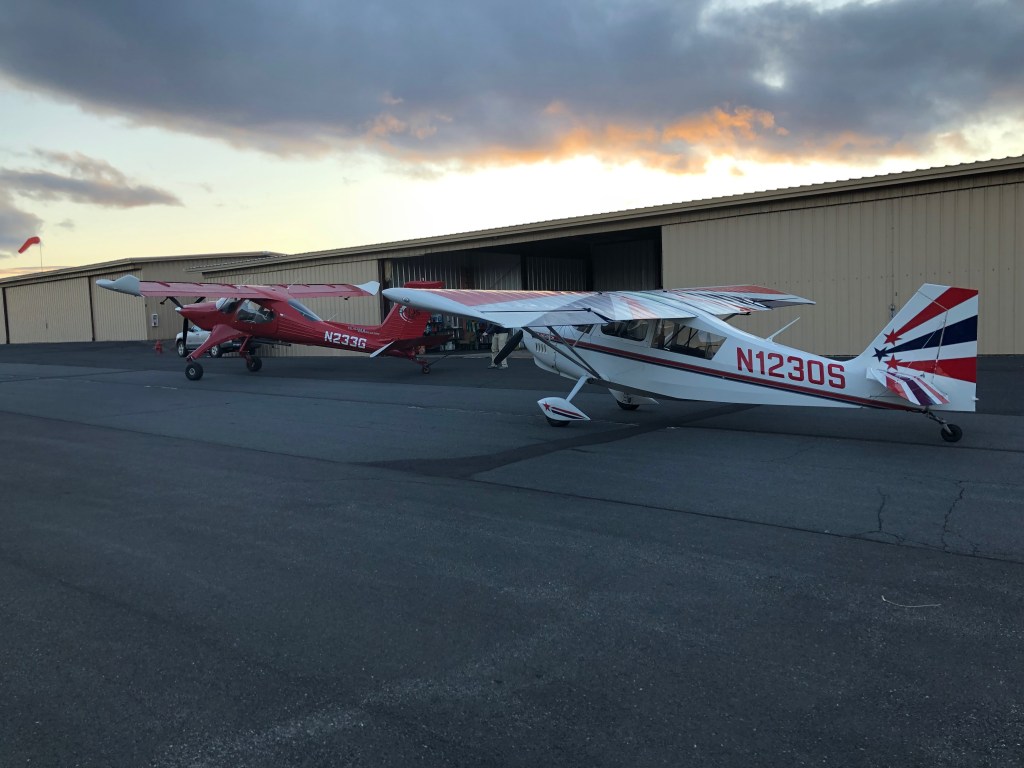
Learn to fly tailwheel at Specialized Aero Works, located at the Bend Airport (BDN)


 Mike Kloch Aviation Consulting